Skip to content
Kentucky Derby Museum Page Loading

Kentucky Derby Museum

woman wearing a tall derby hat
Blog
04.07.2020
Jessica Whitehead

Outlandish Designs and Dressing to the Nines: P3

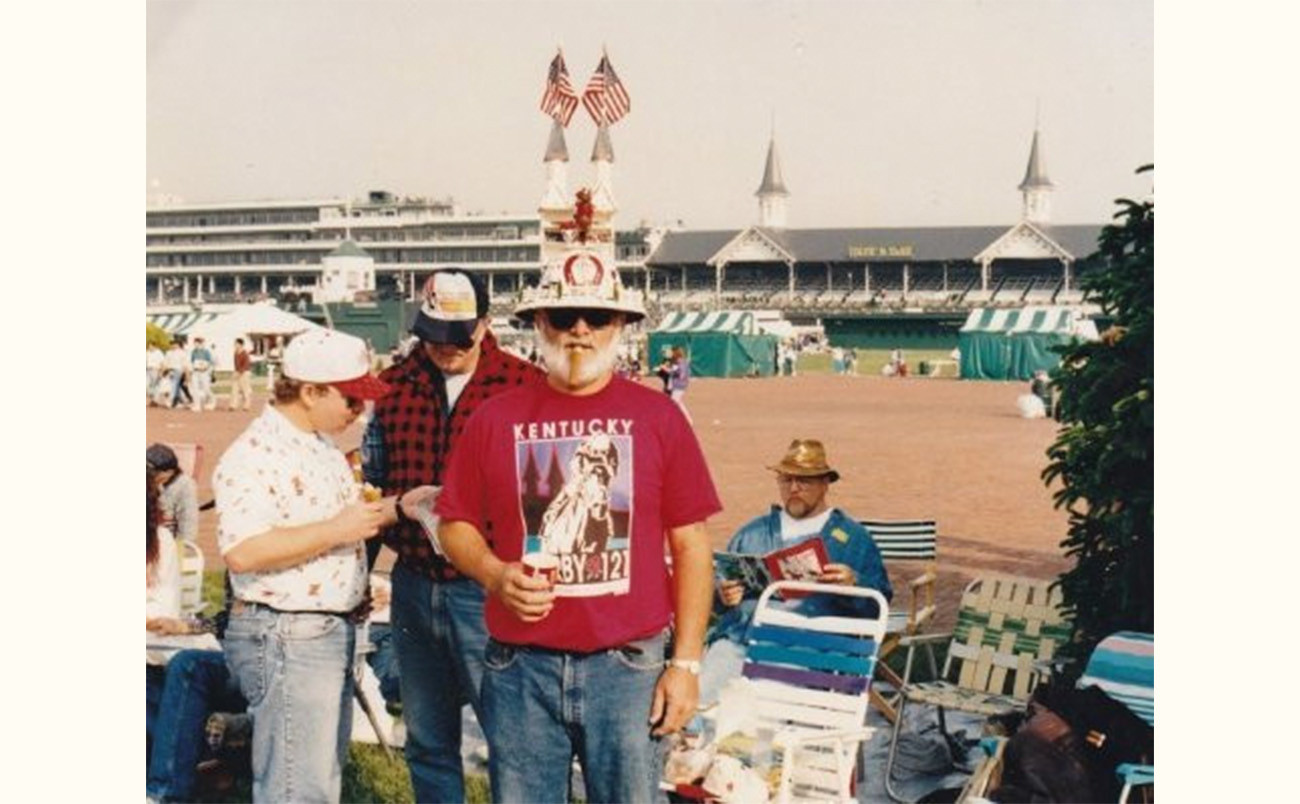
man in a red t-shirt at the 121st kentucky derby

Outlandish Designs and Dressing to the Nines: 146 Years of Derby Fashion

Part 3: You Ain’t Never Seen Nothin’

Kentucky humorist and native son Irvin S. Cobb is famous for saying, “Until you go to the Kentucky Derby with your own eyes, behold the Derby, you ain’t never been nowhere and you ain’t never seen nothin’.” We believe that’s true, too, and one of the reasons is the pure fashion spectacle offered by Derby-goers each year.

Post-1960 Derby celebrations saw an explosion of creativity and exuberance and personal expression. The wackier, weirder, Avant Garde ensembles—often handmade and worn with a wink—became a staple of a good people-watching session all over the track and infield. From the glitz, glamor, and designer labels of Millionaire’s Row and the Mansion to the beer hats, t-shirts, and flip flops of the Infield, Derby Day will always be the day to go big, or go home.

Return to Femininity

Because women had taken on many roles traditionally held by men during World War II, the practical, restrained styles of the 1940s spoke to their cultural reality as breadwinners, workers, and civic leaders. However, by the time the boys were back and women’s responsibilities in public life waned as men began to “reclaim” their domain, ladies’ wardrobes regressed back to clothing built for looks, not for comfort.

Derby outfits followed a similar pattern. Girdles literally supported the new layers of frills reinforcing femininity and opulence expected of wives and mothers. The 1950s saw bigger skirts, more feminine silhouettes, and new fabrics like taffeta, lace, netting, chiffon, and fur. And although a good suit would never go out of fashion, the simple versions of the wartime era gave way to flashier colors embellished with all kinds of jewelry, gloves, shoes, handbags, stoles, scarves, and—of course—hats. Hats stayed pretty small in the 1950s, but they were nevertheless a required part of women’s outfits in general, and Derby Day was no exception.
1954 pride of the bluegrass lobby card

Pride of the Bluegrass lobby card, 1954

black and white picture of a few derby goers at the 1960 race

1960 Kentucky Derby

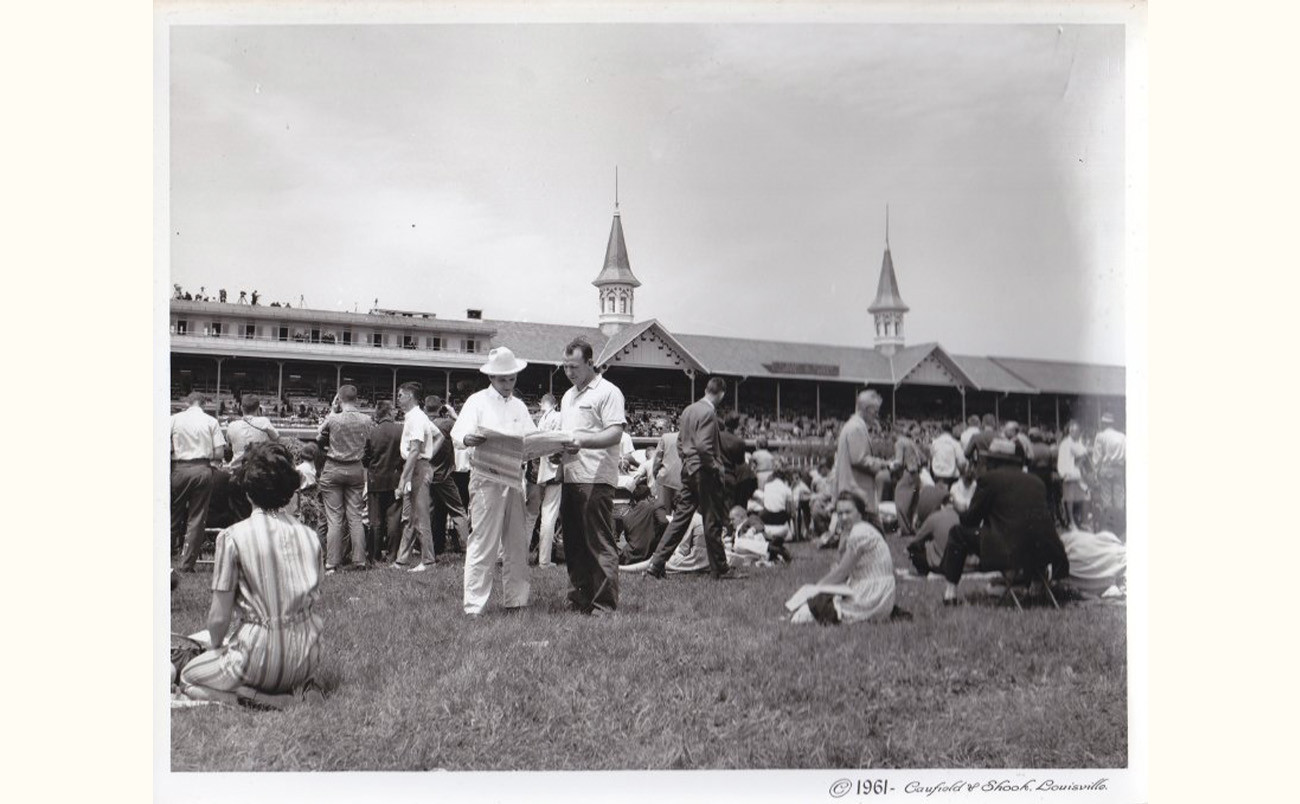
black and white picture of the 1961 derby goers

1961 Kentucky Derby

The Times, They Are A Changin’

The 1960s marked the last decade in American culture where hats and other formal accessories (like gloves, scarves, and coordinated handbags) were expected as part of a fashionable ensemble. Even by the middle of the decade—when hats were beginning to fall out of vogue with the younger generations—folks started using Derby as an opportunity to showcase their creativity and style through headwear.

While some women stuck to more conventional designs inspired by fashion icons like Jackie Onassis, some chose to let loose on something truly wacky. By the 1970s, three distinct fashion trends could be found on Derby Day at Churchill Downs: the fashionable grandstand ticket holders, and casual infield fun seekers, and the outlandish attention getters. While a little haute couture is never out of place at Derby, the outfits we most remember probably come from that last group.

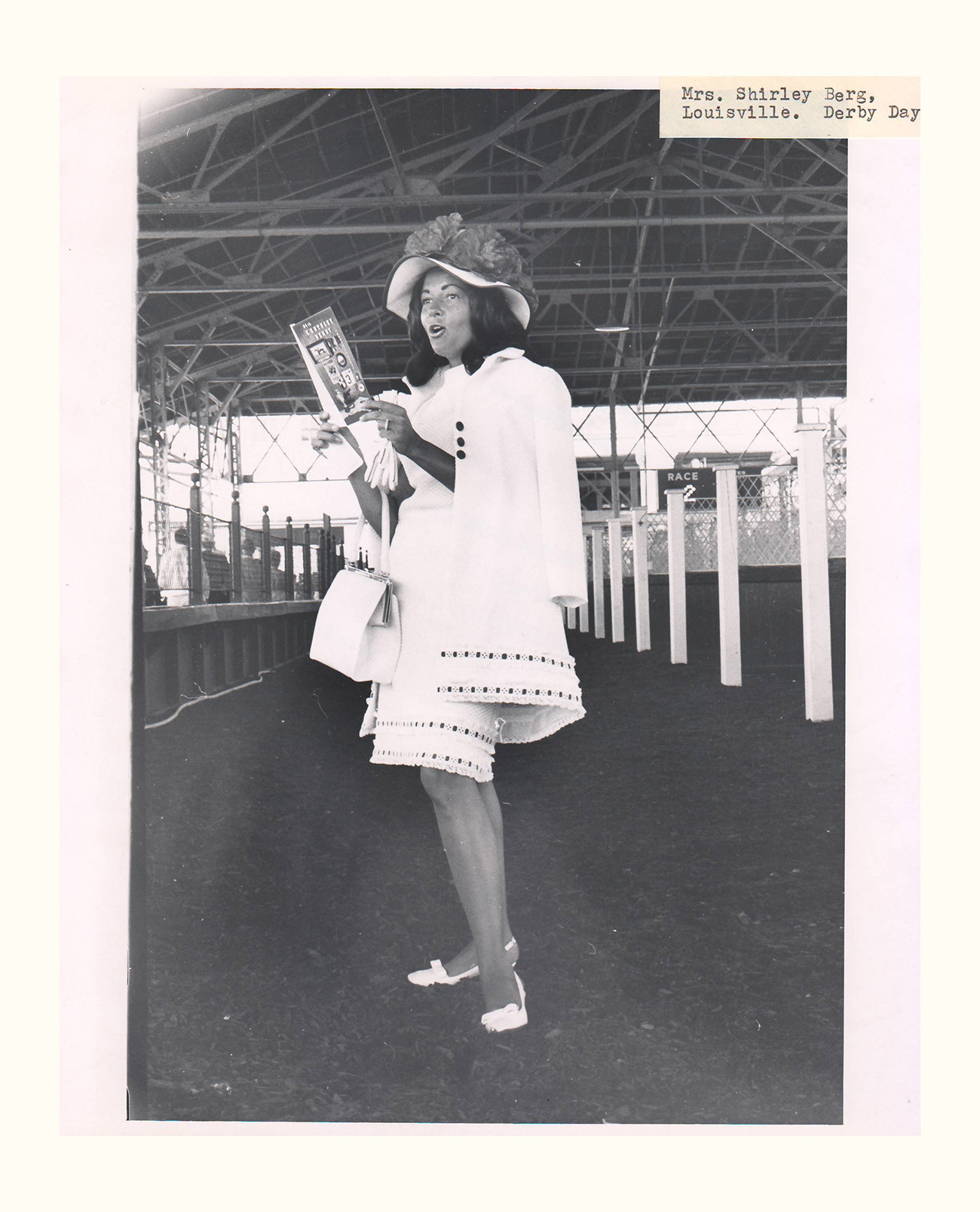
black and white picture of 1968 womens derby fashion

1968 Kentucky Derby

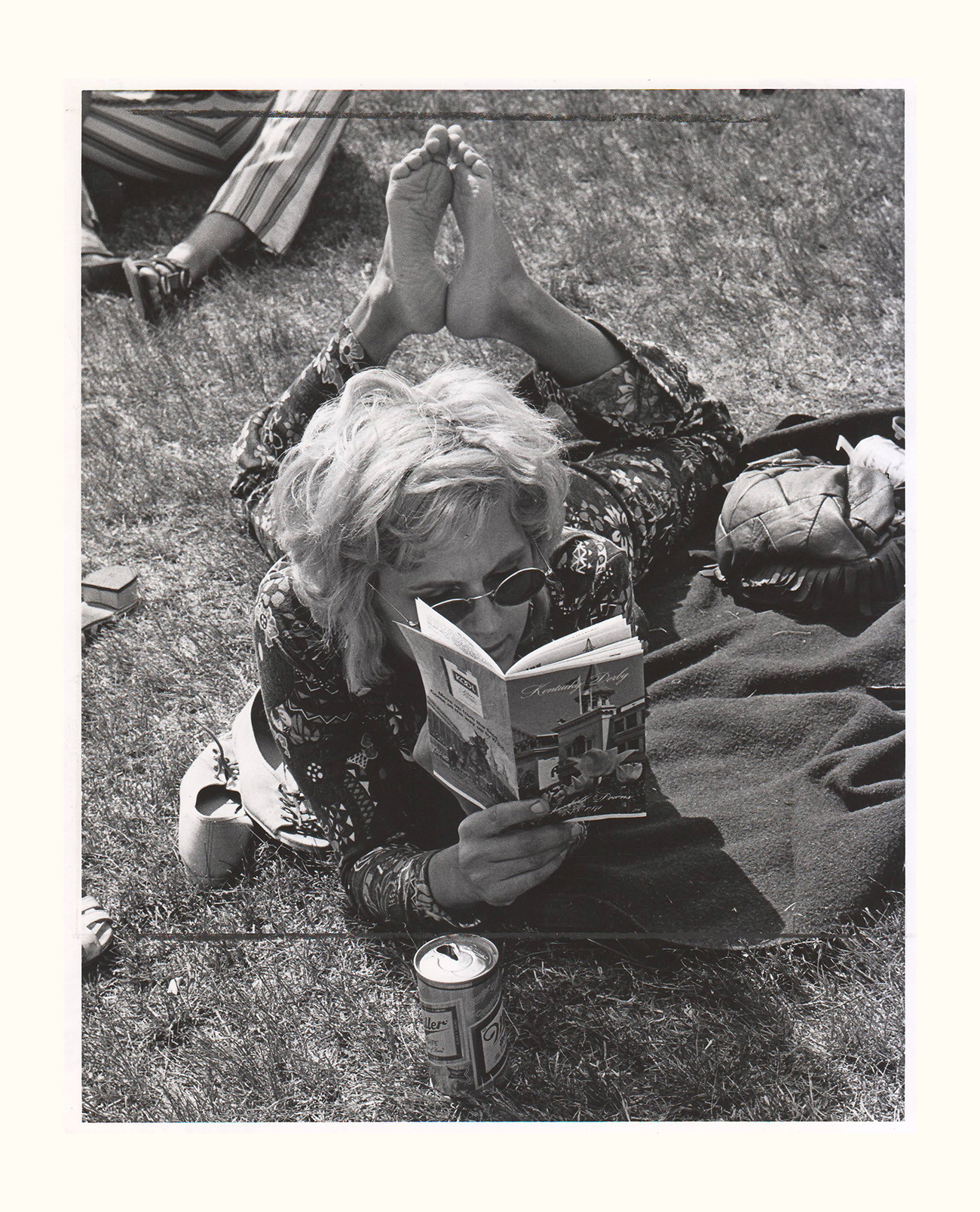
woman reading a book on the grass at the 1971 kentucky derby

1971 Kentucky Derby

derby goers the the fence at the 1971 kentucky derby

1971 Kentucky Derby

An early pioneer of the attention-grabbing, imaginative Derby ensemble was a Louisville native, Cora Jacobs. Jacobs wowed Derby-goers during the 1960s and 70s with her over-the-top themed designs, like her outfit celebrating the 100th anniversary of the Kentucky Derby in 1974 that is part of the Kentucky Derby Museum permanent collection.

cora jacobs over the top themed outfit from 1974

Cora Jacobs 1974 100th Anniversary Outfit

The legacy of women like Cora Jacobs is the fascinating culture of wild, often handmade headwear and clothing that has made the Kentucky Derby such a delight to watch. Men have gotten in on the trend, too, like Ernest Trent, who donated to us his elaborate Twin Spires pith helmet worn with pride to every Derby he attended.

ernest trent twin spires pith helmet

Gift of Ernest Trent

Here are some more unique and spectacular hats and outfits—from chapeaus and frocks by the finest milliners to DIY masterpieces made on the dining room table—captured by track photographers over the years.

picture of two women dressed up at the 1998 derby

Kentucky Derby 1998

woman wearing a derby hat at the 1992 derby

Kentucky Derby 1992

a collage of fashion pictures from the 1989 kentucky derby

Kentucky Derby 1989

women wearing a dark colored derby hat

Kentucky Derby 1995

Fall Fashions

People have already started speculating—now that COVID-19 has caused the First Saturday in May to become the First Saturday in September—what a Fall Derby will look like. Pumpkin Spice Juleps? Corn husk and decorative gourd garland? No, changes to these traditions are unlikely. But for selecting a Derby ensemble? Springtime colors and warm-weather cuts and fabrics will surely still appear, perhaps with some added Fall touches? What will you be wearing on September 5th?

Plan Your Visit

Create your perfect Kentucky Derby Museum visit with our custom day builder. Explore and book available tours and experiences based on your party size and date you plan to visit to make the most out of your time at the only place you can Derby every day.